Recovery equipment for gyms, judged on retention — not on floor appeal
Recovery in a gym is not a new revenue line so much as a reason members do not cancel. That changes what you should buy: durability and throughput matter more than a premium finish, and anything that needs a staff member standing next to it will not survive your peak hours.
Who this is for
Gym and studio owners adding recovery as an upsell or a retention play.
- You have a recovery tier or want one, and need something worth charging for.
- Your front desk is one or two people and cannot babysit a machine.
- You have a mezzanine, a converted studio, or a corner of the floor that is not earning.
- Your churn conversation with members keeps coming back to 'I just was not using it.'
If recovery is going to be the main thing you sell rather than an add-on, read recovery centers instead — the menu and throughput math is different.
Recovery goes where the floor is already dead
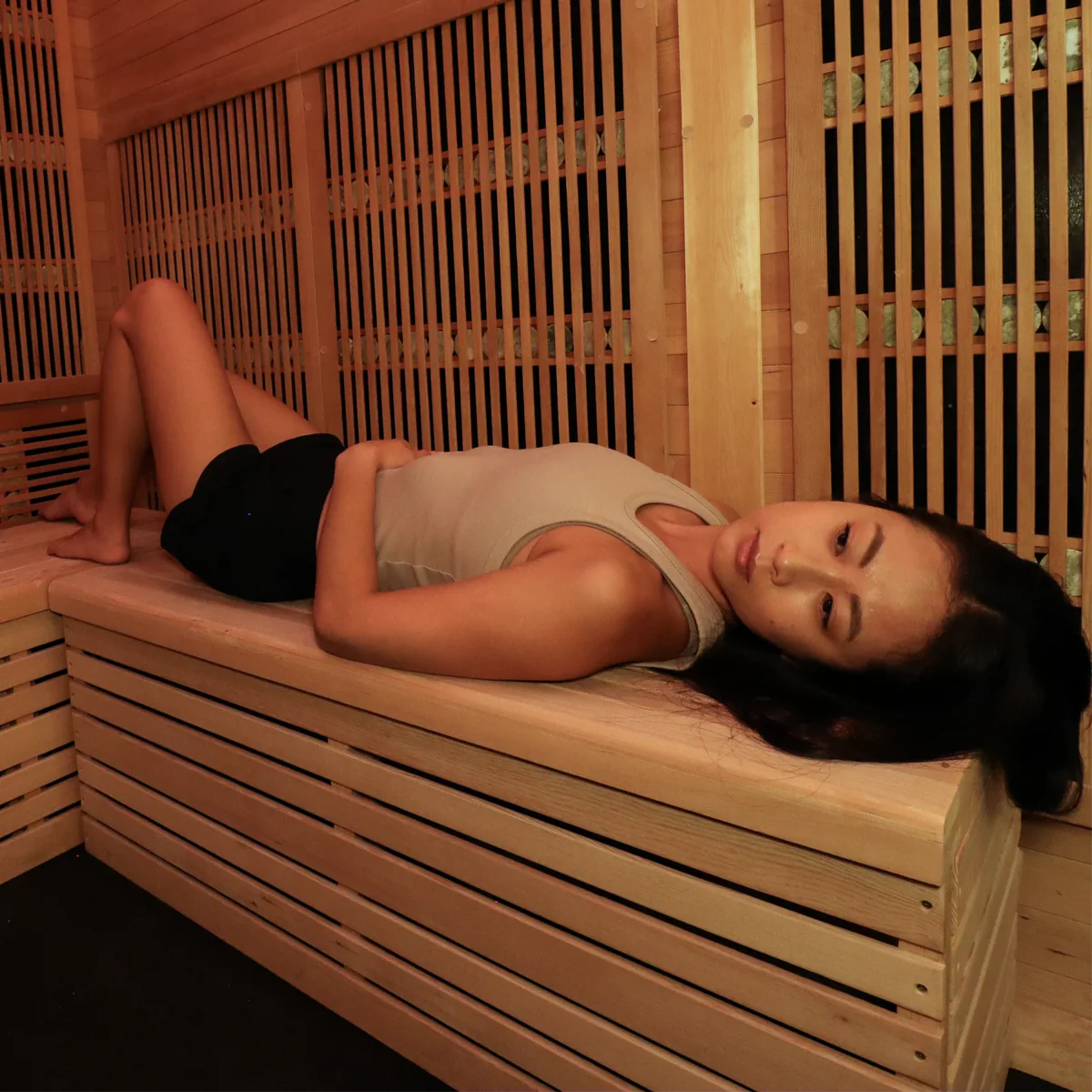
The best recovery placement in a gym is usually a space that is not producing anything today — the back of a studio, a mezzanine, a converted office. That is the whole appeal: you are not giving up squat racks. What you do need to confirm is boring and non-negotiable — electrical, ceiling height, and floor loading. The AuraPBM bed is 882 lbs and wants 220V. The ECabin is 94.5 inches tall and weighs over 800 lbs net. Those numbers live on the product pages so you can check them against your building before anyone quotes you.
Questions to answer first
- Is the space you have in mind actually dead, or is it storage you will have to relocate?
- What is the ceiling height, and what does the floor carry?
- Do you have the electrical service, or is a panel upgrade part of this purchase?
- Can members find it without staff walking them there every time?
Short sessions or it will not clear peak hours
A gym has a spike. If a recovery modality takes long enough that a queue forms at 6pm, the amenity becomes a complaint. Short-protocol equipment fits gym rhythms far better than long-session equipment: XCryo runs 1-3 minutes per treatment, the ECabin runs 1-3 minute sessions and is built for back-to-back use, and compression boots run as long as the member wants without occupying a room. Long-session equipment can still work — but only if you book it rather than let it run walk-up, and booking is a system you have to actually operate.
Questions to answer first
- Is this walk-up or booked? Walk-up needs short sessions; booked needs software and enforcement.
- What happens at your busiest hour — does a queue form, and who manages it?
- How many units would you need before it stops being a bottleneck, and is that affordable?
- Is the reset between members something a member can do themselves?
If it needs a person, it will not run
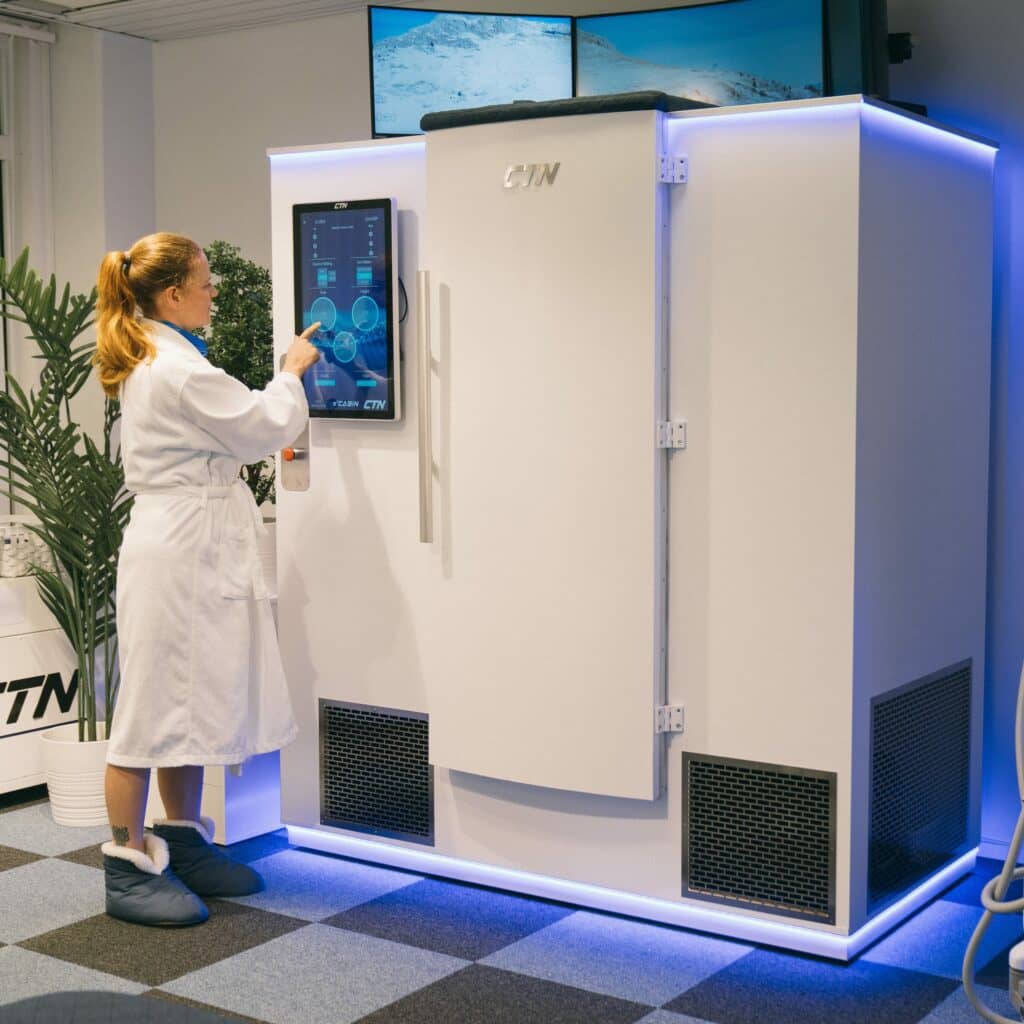
This is where gyms get burned. A machine that needs a trained staff member to operate gets used during staffed hours only, which in most gyms is a fraction of open hours — and it stops entirely when that person leaves. Look for automated programming and self-service operation. The ECabin runs fully automated Mild/Medium/Intense programs with a touchscreen and no nitrogen to store, handle or refill, which removes both a staffing burden and a safety liability at once. Compression boots are effectively self-service. Anything requiring hands-on operation should be priced as a paid appointment, not folded into a membership tier.
Questions to answer first
- Can a member run this alone after a one-time orientation?
- What is the liability and waiver process, and who enforces it?
- What breaks, how often, and who fixes it — is support a real person or a ticket queue?
- If your recovery-trained staffer quits next month, does the machine keep earning?
Price it against churn, not against new sign-ups
The temptation is to model recovery as new members. The more defensible case is usually the members you keep. You already know your churn rate and your average member value — that is the number the payment has to clear, and it is a number you have without anyone selling you anything. Lower-ticket gear like compression checks out with Affirm, Klarna or Afterpay through Stripe. A cabin or a bed goes through Approve. [RICK: what do gyms you have sold to typically charge for a recovery add-on tier? A real range from real customers would be worth more here than any projection]
Questions to answer first
- What is your churn rate, and what is a retained member worth to you?
- Are you modelling this as new sign-ups or as members you keep?
- Can you test the demand cheaply before financing something large?
- Is this a top-tier bundle, an à la carte charge, or both?
What holds up in a gym
Durability and self-service first. These are picked for surviving back-to-back use with a thin front desk.
Rapid Reboot Compression
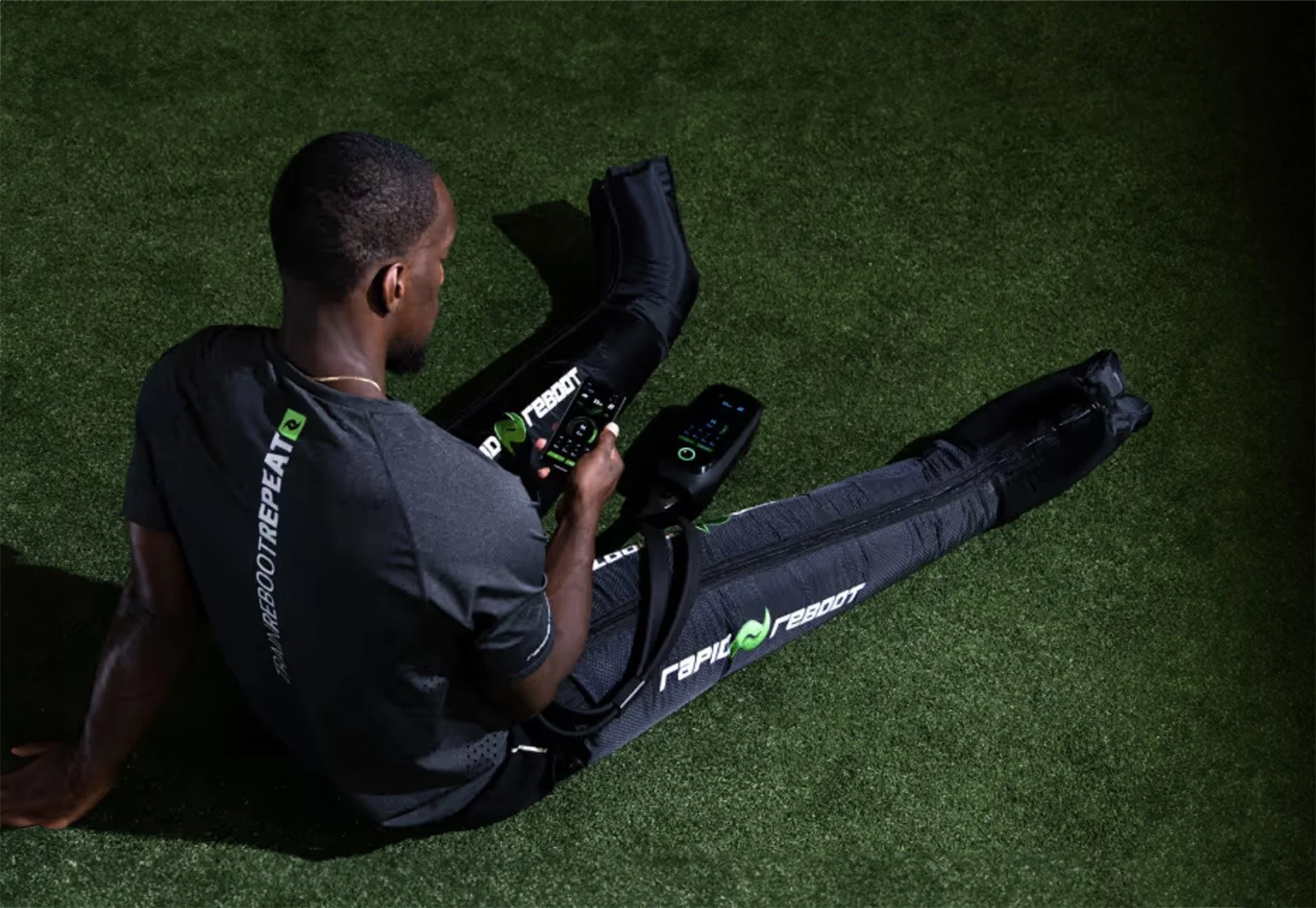
The lowest-risk way to find out whether your members will pay for recovery at all. Self-service, portable, and cheap enough to test before committing a room.
ECabin Cryotherapy
Fully electric with no nitrogen to store or refill, automated programs, and 1-3 minute sessions — built for a queue and for staff who are not cryo technicians.
XCryo Localized Cryo
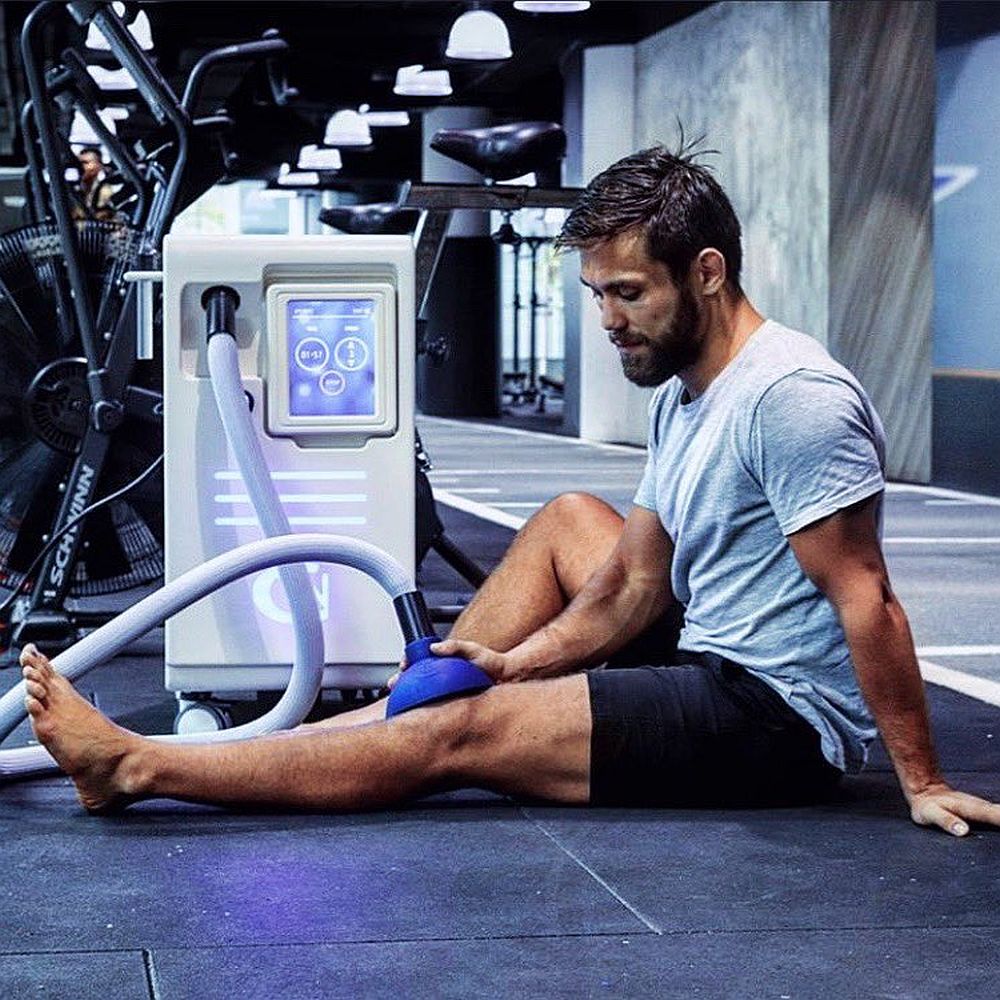
Gas-free targeted cold in about three minutes, back-to-back all day. Works as a paid add-on for members working around a specific injury.
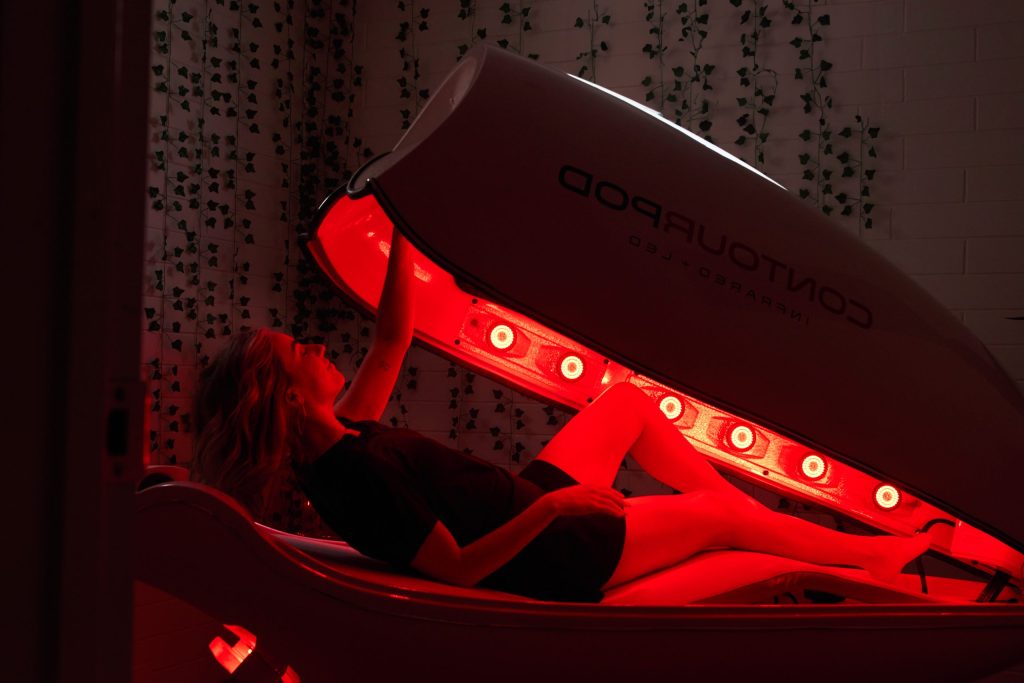
AuraPBM Red Light Bed
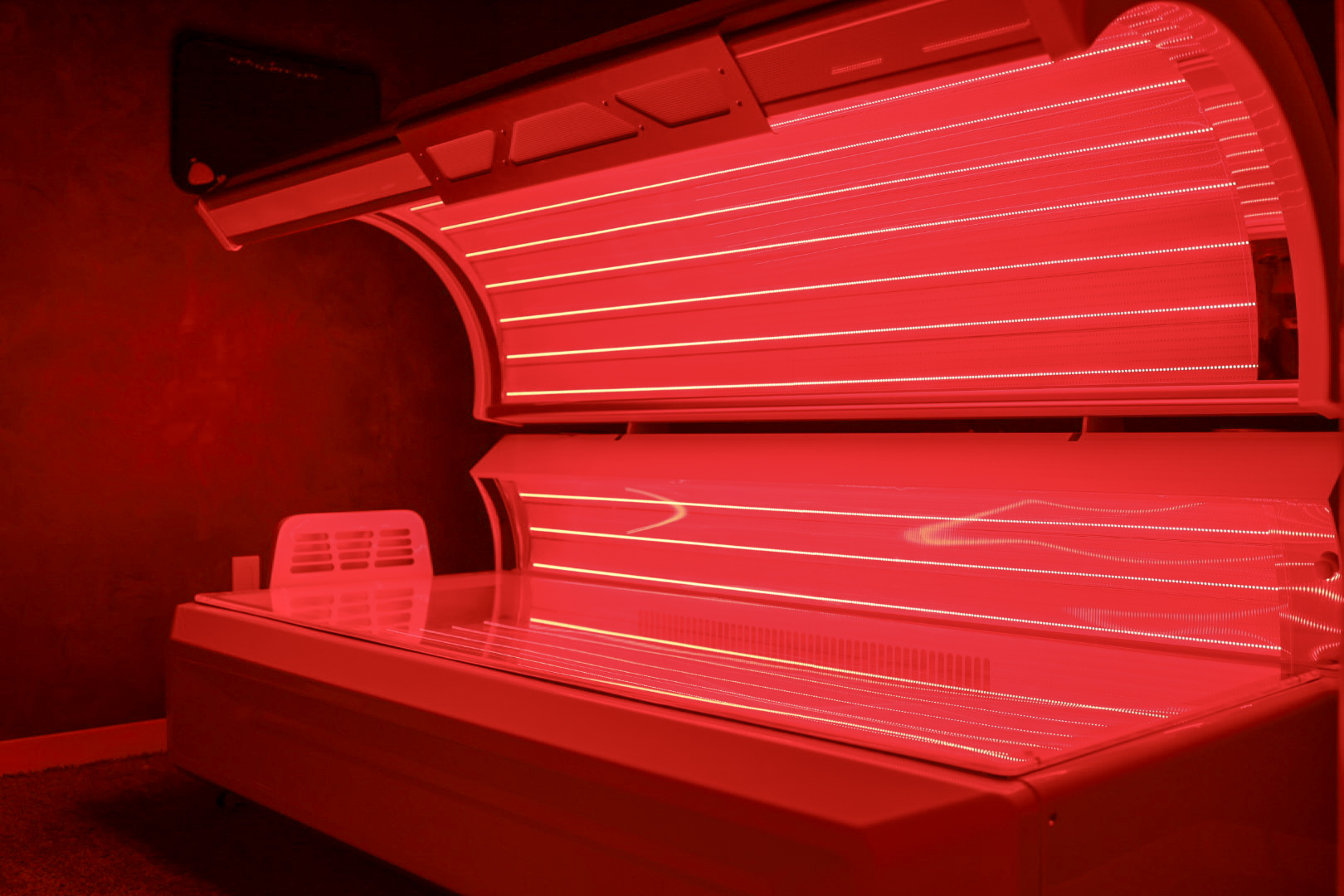
Full-body red light is the modality members most often ask for by name. Forced-air cooled and built for a commercial duty cycle, not home use.
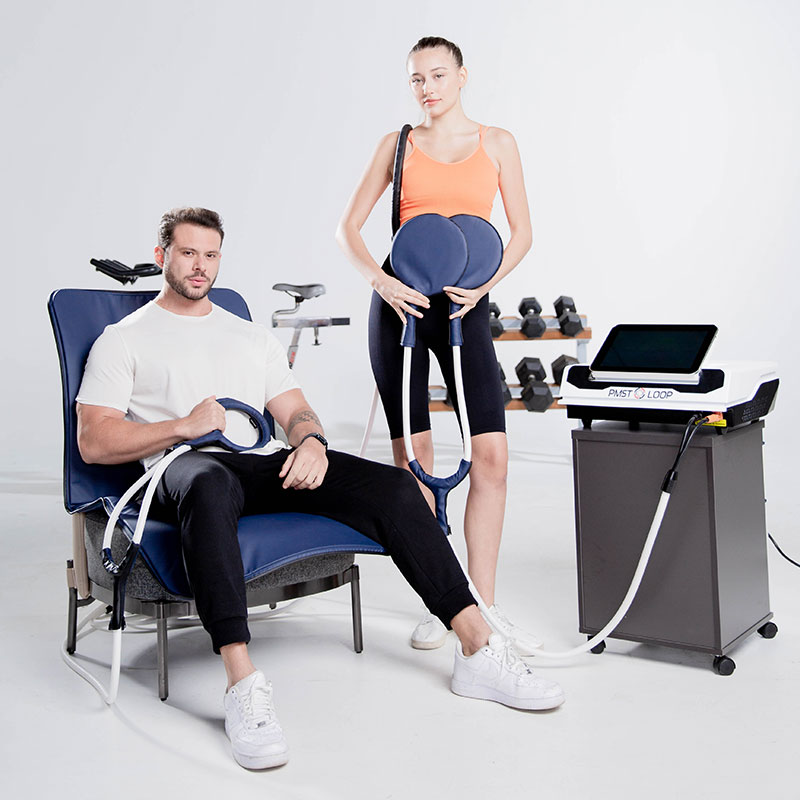
PEMF Therapy
Five applicators cover targeted joint work through whole-body sessions, so one unit serves several member complaints.
Paying for it
Start small enough to be wrong. A compression package tells you whether your members will pay for recovery before you finance a cabin.
- Affirm, Klarna and Afterpay at checkout through Stripe for lower-ticket equipment.
- Approve for large purchases when you are financing a full recovery room.
- New equipment ships drop-ship on a standard 6-8 week lead time — plan your launch marketing around that, not around the order date.
- Refurbished and open-box units are local and in stock, shipping in days.
Straight answers
Should recovery be included in membership or charged separately?
Both work and it depends on what you are trying to fix. Included recovery is a retention tool and a reason to hold a higher price point. Charged recovery is a revenue line but gets used less. Most operators we talk to end up doing both — bundled into a top tier, à la carte for everyone else.
What is the single best first purchase?
Usually compression, because it is cheap enough that being wrong does not hurt. If members use it and ask for more, you have your answer before you finance anything large.
Do I need to handle liquid nitrogen for cryotherapy?
Not with what we sell. The ECabin is fully electric and XCryo is gas-free — nothing to store, handle or refill. That was deliberate; nitrogen handling is a staffing and safety problem most gyms should not take on.
Send us your floor plan and your churn number
We will tell you what fits the space and whether it is worth doing at your member count. We run these machines daily — sometimes the honest answer is to start with a $1,195 test instead of a $90,000 room.
Transparent equipment pricing. Financing options available.
Shop equipmentTurn Your Wellness Business Into An $85K/Month Revenue Machine
We provide the elite equipment stacks, scaling strategy, and on-site support to help you dominate your market without the guesswork.
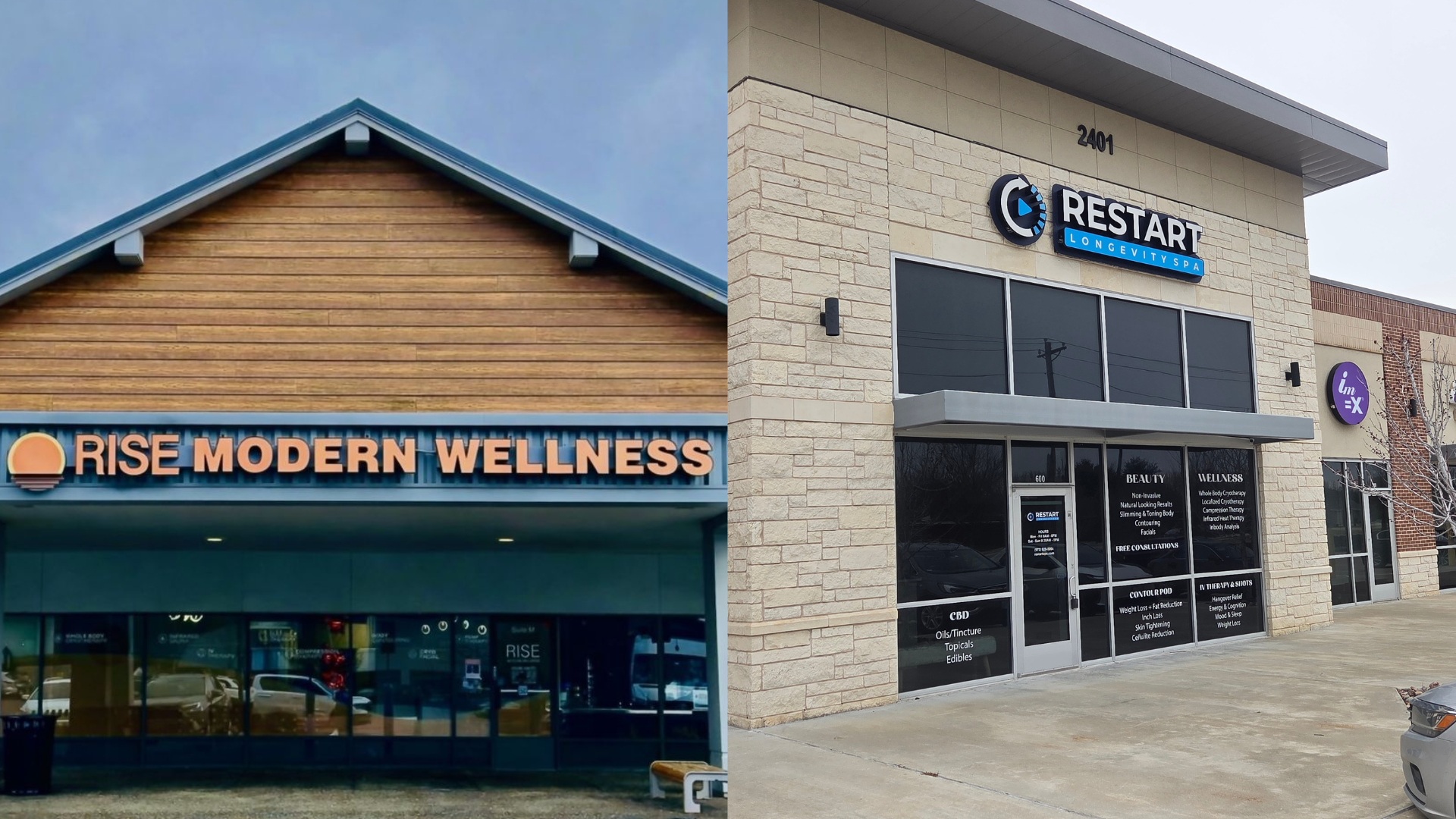
Restart Longevity Spa & Rise Modern Wellness
“This wasn’t just another device—it was the right stack with the right strategy. It streamlined our services, increased spend per client, and fast-tracked our growth.”
What type of stack are you building?
Select the equipment categories you’re interested in adding, upgrading, or packaging into your business.
Where do you need the most support?
CORE is not just equipment. We help with launch strategy, pricing, training, marketing, and performance.
Request your CORE growth blueprint
Tell us where you are now. Our team will follow up with recommendations for equipment, stack strategy, and next steps.
Most Equipment Fails for One Reason
Buying equipment is easy. Building a profitable system around it is not.
Bought the wrong device
No demand. No market validation.
No system to sell it
No offer. No process. No revenue.
Staff doesn’t know how
Poor positioning. Lost sales.
No stack strategy
Low ticket. Slow ROI.
We’re building this with you
Trusted by early partners shaping the future of wellness equipment
Core is a growing operator-led brand focused on practical, profitable equipment stacks — built alongside the teams who actually use them.
Small on purpose. Hands-on support from operators, not just sales reps.







Equipment Built for Revenue