Recovery center equipment, chosen for menu breadth and back-to-back use
When recovery is the whole business, one machine is not a service line — it is your entire reason to exist, and it is a single point of failure. The buying question shifts from 'which modality' to 'which combination gives a member a reason to come back three times a week.'
Who this is for
Operators for whom recovery is the product, not an amenity.
- You sell memberships against a menu, and menu breadth is what justifies the price.
- You are competing with a franchise concept nearby and need to differentiate on modality.
- You have one anchor machine working and are deciding what the second one is.
- Your busiest hours are already tight and you are weighing a second unit versus a new modality.
If recovery is an add-on to a gym membership, gyms & studios is a better fit — the throughput and staffing constraints there are different.
Zone the floor before you buy the second machine
Recovery centers get built one purchase at a time, and the layout usually pays for that. Think in zones rather than machines: a cold zone, a heat zone, a light zone, a passive zone where someone sits in boots. Zoning decides adjacency, and adjacency decides whether a member can stack three modalities in one visit without walking through the lobby twice. Practical constraints to settle before anything else: hyperbaric and cryo have real electrical and space requirements — the HyperPod chamber is 87 by 30 inches with a separate control unit and A/C module that each need their own footprint. That is three objects, not one, and people miss it.
Questions to answer first
- Can a member move through three modalities in one visit without crossing the room twice?
- Which units need their own enclosed room versus an open bay?
- Have you accounted for control units and ancillary modules, not just the machine?
- What is the electrical service today, and what does the full build need?
Menu breadth and throughput pull against each other
Every modality you add makes the membership more compelling and your peak hour harder to run. The resolution is usually a mix of session lengths, not one length. Short-protocol units clear a queue — XCryo runs 1-3 minutes, the ECabin runs 1-3 minute sessions and is built for back-to-back use. Long-session units like HBOT and infrared anchor a booked appointment and give members a reason to buy the higher tier. A floor made entirely of long sessions cannot handle a rush; a floor made entirely of short ones has nothing premium to sell. Get both.
Questions to answer first
- What is your current bottleneck — a specific machine, or the front desk?
- Does adding a modality relieve the bottleneck or move it?
- Which units can run unbooked, and which need a slot?
- Is a second unit of what already works a better buy than a new modality?
Cross-training is the constraint you will hit first
The multi-modality model means every staff member has to run every machine, or you end up with shifts where half the menu is unavailable. That is a real operational cost and it argues for equipment with automated programming and simple interfaces. It also argues for buying from someone who will actually answer the phone about a fault — a machine down on a Saturday morning in a recovery-first business is not an inconvenience, it is your revenue. Everything we sell is equipment we run ourselves, supported by people in the US who have used it.
Questions to answer first
- How long does it take to train a new hire on the full menu?
- What breaks most often, and what is the parts lead time?
- Which modalities need consumables, and who owns reordering?
- What happens to your Saturday if the anchor machine is down?
Buy the menu in order of what members already ask for
Recovery centers are almost always financed and almost always built in stages. The sequencing rule that holds up: buy next what your existing members are already asking for by name. That demand is free information and it is more reliable than any category forecast. Lower-ticket additions — compression, PEMF — check out with Affirm, Klarna or Afterpay through Stripe and can often be added without a financing conversation at all. Cabins, beds and chambers go through Approve. [RICK: what does your Little Elm menu actually look like — which modalities, and what do you charge for a membership? Real numbers from your own floor would carry this whole page]
Questions to answer first
- Which modality are existing members already asking for by name?
- Is the next purchase relieving a bottleneck or widening the menu?
- What can you add without a financing conversation at all?
- What does your build look like staged over a year instead of bought at once?
A full recovery menu
Anchors first, then the modalities that stack around them. Everything here is on our own floors.
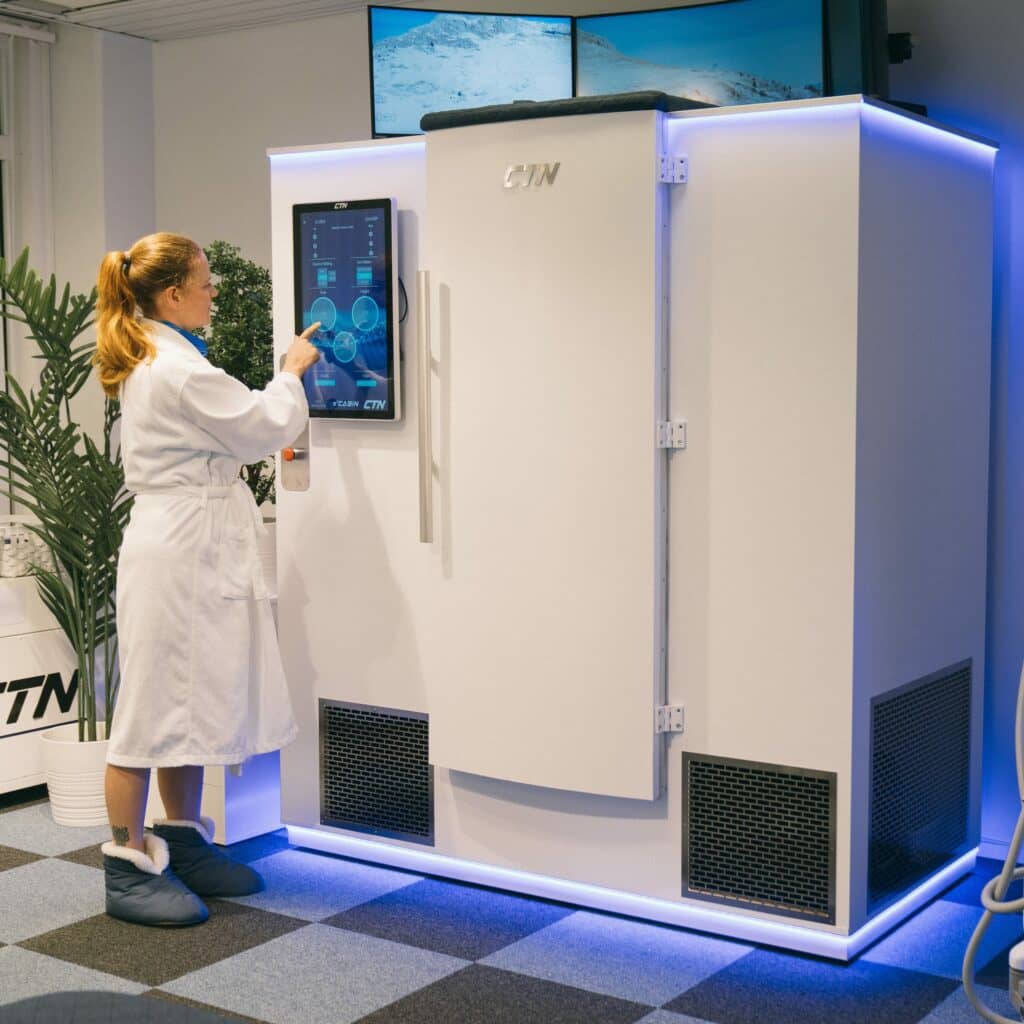
ECabin Cryotherapy
Whole-body cryo is the modality people drive for. Fully electric with automated Mild/Medium/Intense programs and nothing to refill, so it runs all day without a technician.
HyperPod HBOT
A hard-shell 1.5 ATA chamber is what justifies your top membership tier. Long session, booked appointment, and a modality most competitors do not have.
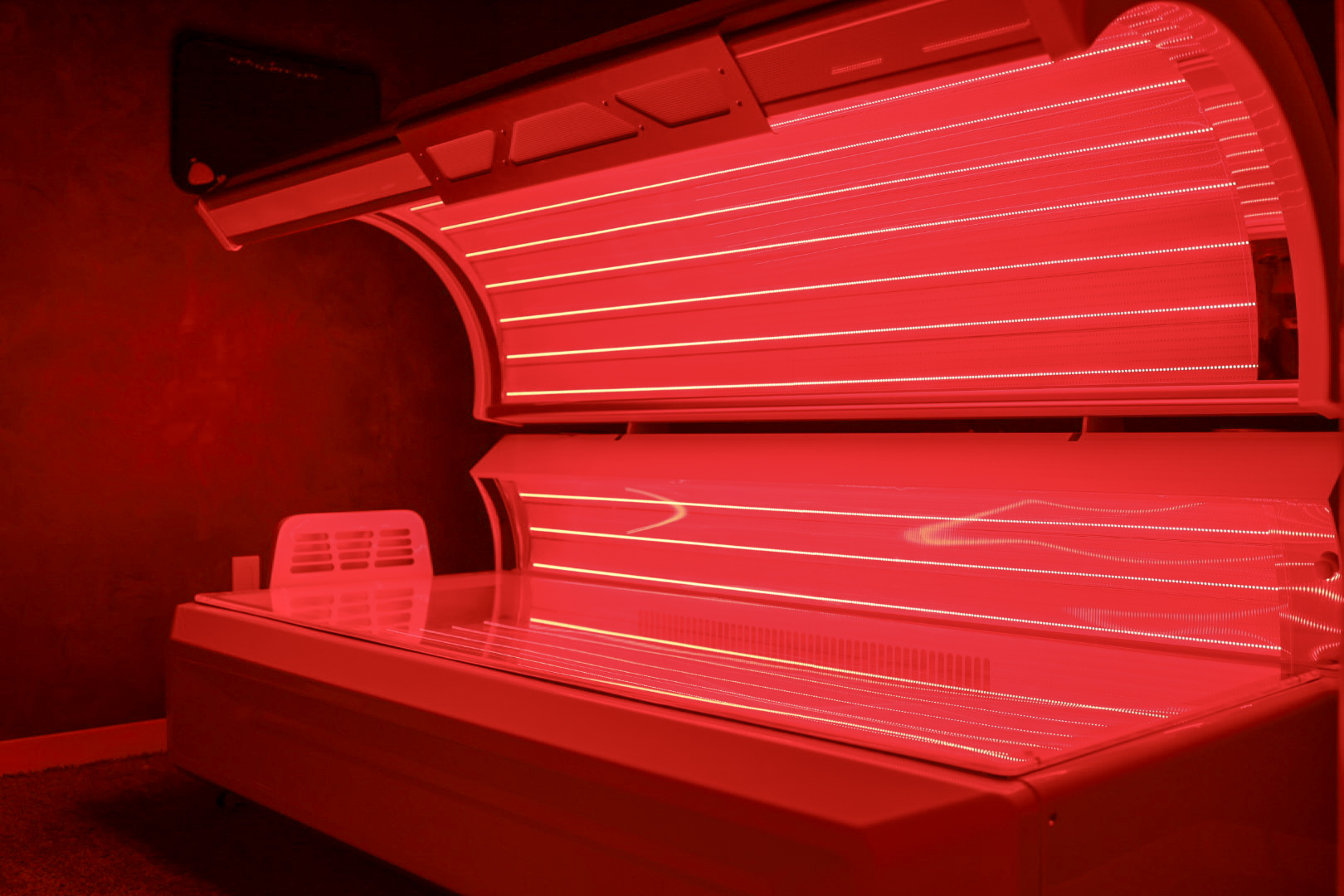
AuraPBM Red Light Bed
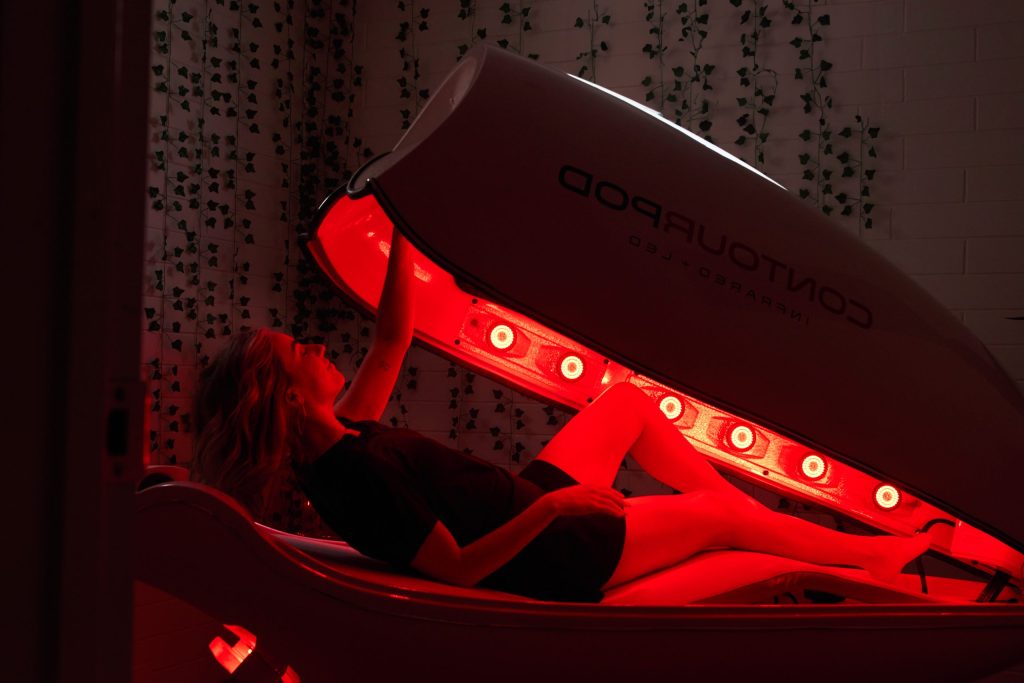
Full-body red and near-infrared with forced-air cooling, built for a commercial duty cycle. Stacks naturally with cryo in the same visit.
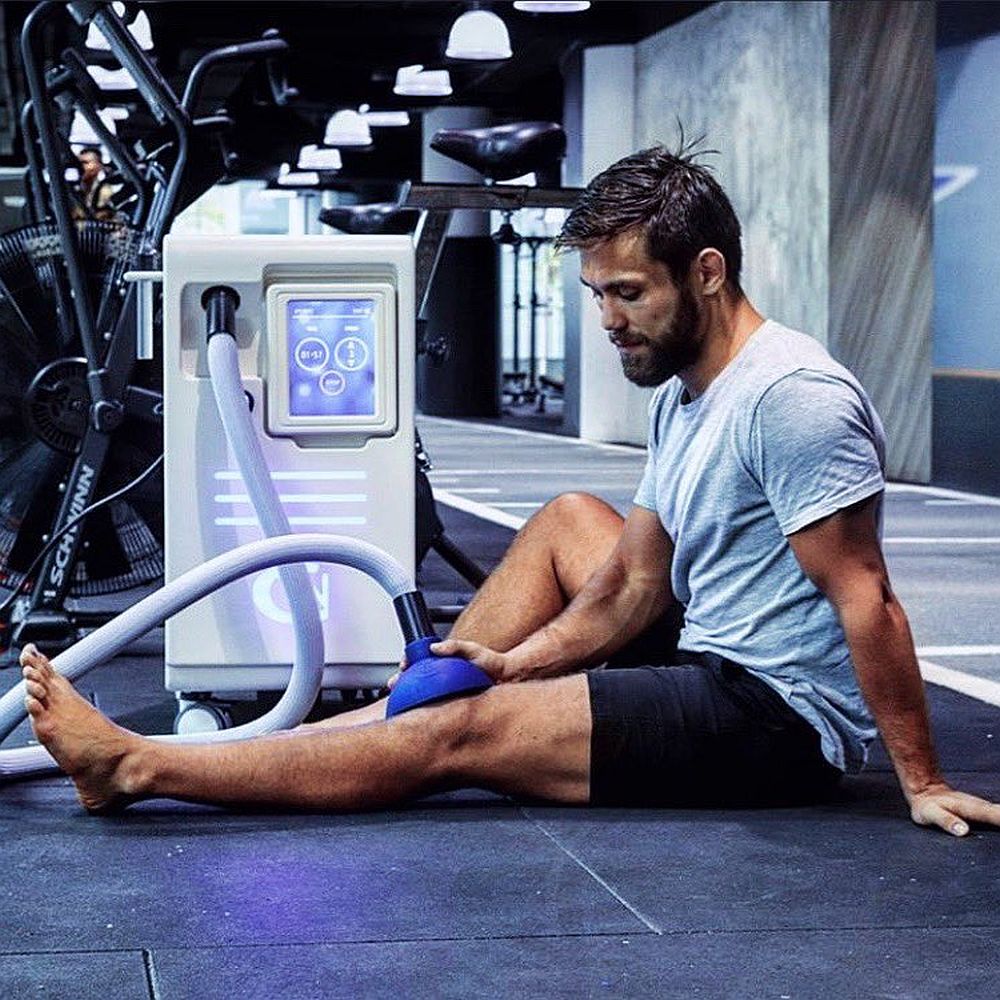
XCryo Localized Cryo
Targeted cold in about three minutes, gas-free, back-to-back all day. It absorbs the rush that a whole-body cabin cannot.
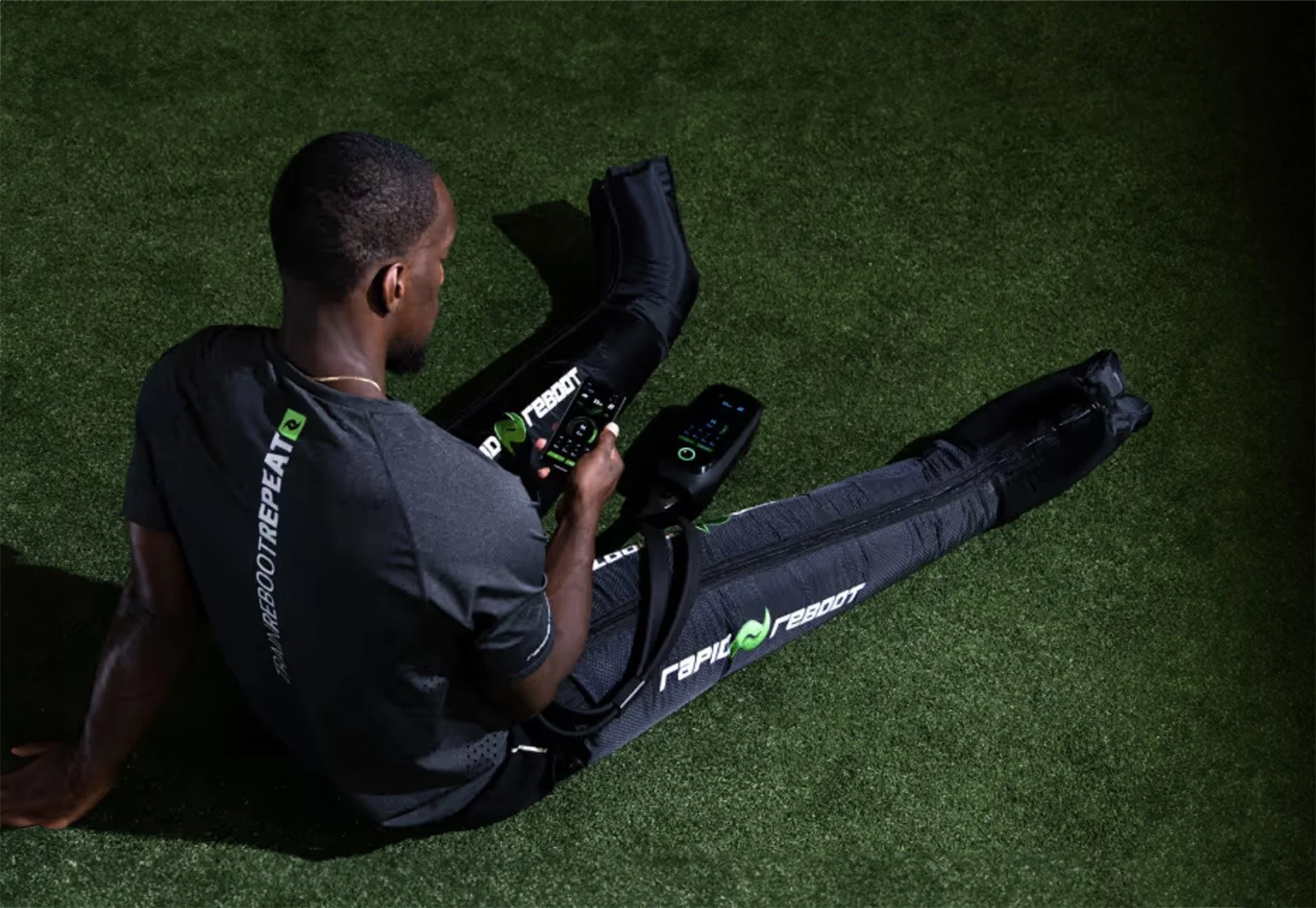
Rapid Reboot Compression
The passive station members sit in while waiting for something else. Low cost per seat and it makes your peak hour feel calmer than it is.
PEMF Therapy
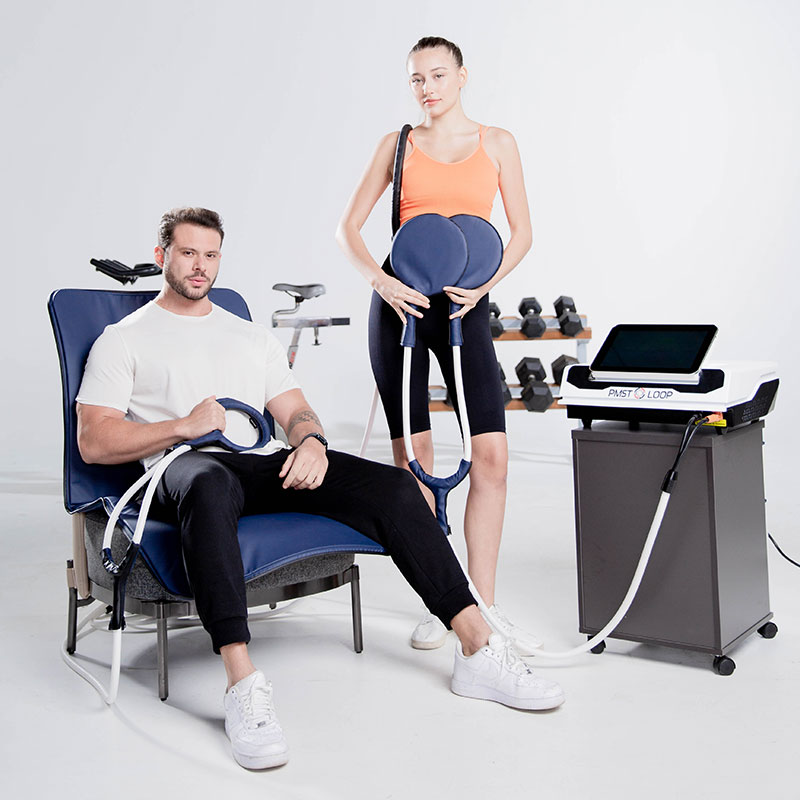
Five interchangeable applicators, from targeted joints to whole-body, so one unit answers several different member complaints.
BodyStyler (Slimyonik)
Sequential air compression for lymphatic drainage — a comfortable, low-supervision session and a strong membership and package builder.
Paying for it
Staged builds are normal here. Nothing about the financing path requires you to buy the whole menu at once.
- Affirm, Klarna and Afterpay at checkout through Stripe for lower-ticket modalities you are adding to an existing floor.
- Approve for large purchases — the path for anchor machines and multi-unit builds.
- New equipment is drop-shipped on a standard 6-8 week lead time. Sequence your openings and your marketing against that.
- Refurbished and open-box units are local, in stock and ship in days — the fastest way to add a modality before a season.
Straight answers
Second unit of what works, or a new modality?
If your bottleneck is one machine at peak, a second unit fixes a real problem today. If your problem is that memberships are not compelling enough to sell, a new modality fixes that instead. They are different problems and the answer follows from which one you have.
How many modalities does a membership need?
There is no honest universal number, and anyone who gives you one is guessing. What we can tell you is what our own floors run and why — book a tour and we will walk you through the actual layout.
Do you support the equipment after the sale?
Yes, and it is the reason to buy from an operator rather than a catalog. We run these machines ourselves, so the person on the phone has troubleshot the same fault on their own floor.
Send us your menu and your bottleneck
Tell us what you run today and where the queue forms. We will tell you what to buy next — including when the answer is a second unit of something you already own rather than anything new.
Transparent equipment pricing. Financing options available.
Shop equipmentTurn Your Wellness Business Into An $85K/Month Revenue Machine
We provide the elite equipment stacks, scaling strategy, and on-site support to help you dominate your market without the guesswork.
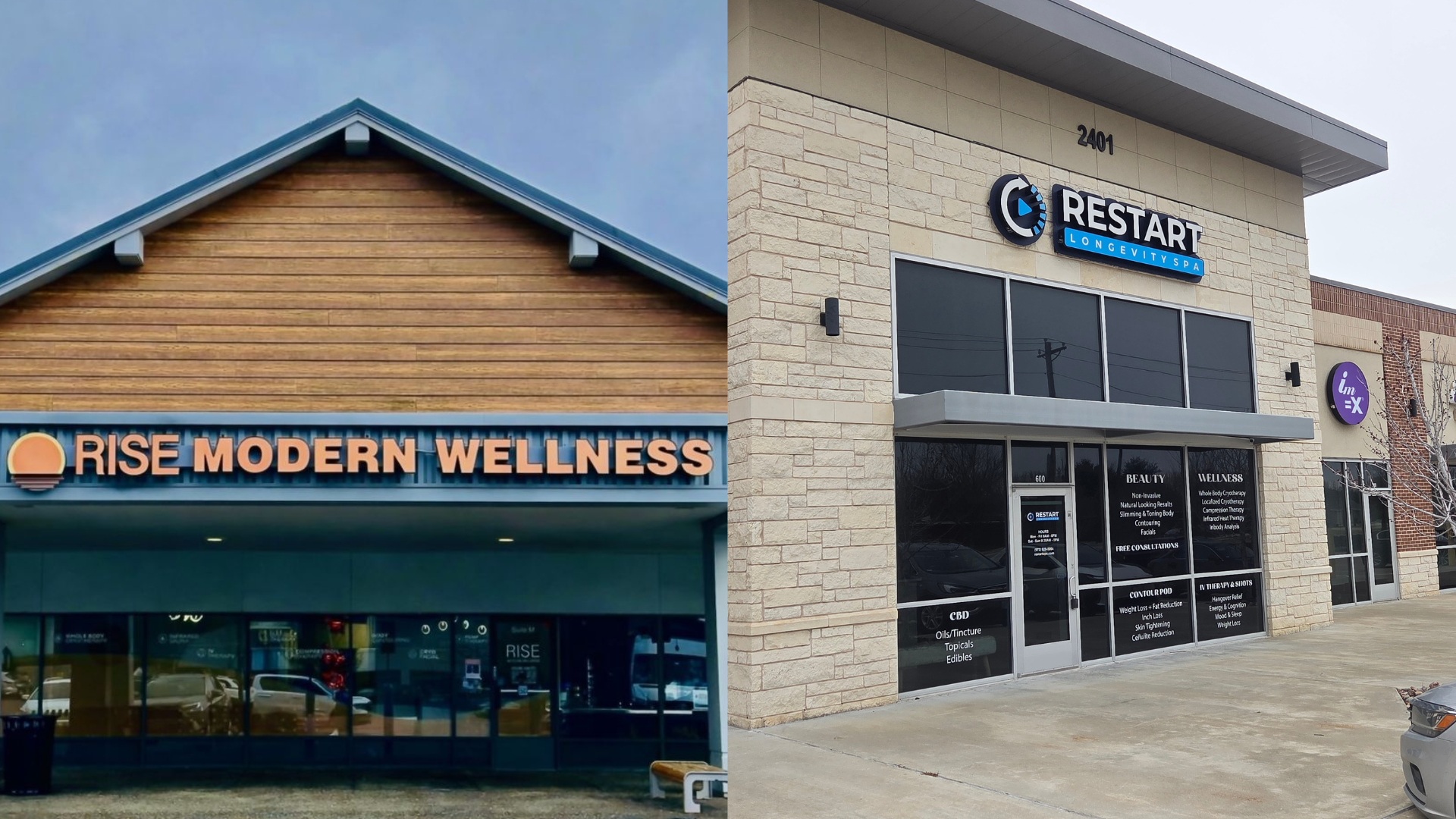
Restart Longevity Spa & Rise Modern Wellness
“This wasn’t just another device—it was the right stack with the right strategy. It streamlined our services, increased spend per client, and fast-tracked our growth.”
What type of stack are you building?
Select the equipment categories you’re interested in adding, upgrading, or packaging into your business.
Where do you need the most support?
CORE is not just equipment. We help with launch strategy, pricing, training, marketing, and performance.
Request your CORE growth blueprint
Tell us where you are now. Our team will follow up with recommendations for equipment, stack strategy, and next steps.
Most Equipment Fails for One Reason
Buying equipment is easy. Building a profitable system around it is not.
Bought the wrong device
No demand. No market validation.
No system to sell it
No offer. No process. No revenue.
Staff doesn’t know how
Poor positioning. Lost sales.
No stack strategy
Low ticket. Slow ROI.
We’re building this with you
Trusted by early partners shaping the future of wellness equipment
Core is a growing operator-led brand focused on practical, profitable equipment stacks — built alongside the teams who actually use them.
Small on purpose. Hands-on support from operators, not just sales reps.




Equipment Built for Revenue