Opening from scratch: what to buy first, and what to deliberately not buy yet
The most expensive mistake in a new build is not buying the wrong machine. It is buying all of them at once, before a single customer has told you which ones they want. Sequencing is the decision this page is about.
Who this is for
First-time and expanding operators building a location from an empty room.
- You have a lease, or you are about to sign one, and you are scoping the build.
- You have a total budget and no idea how to split it between equipment, buildout and working capital.
- You have been handed a package quote by a franchise or a manufacturer and want a second read.
- You are opening a second location and want to avoid whatever you got wrong at the first.
If you already have a floor running and are adding to it, the industry-specific pages will be more use: med spas, gyms, hotel spas, recovery centers.
Buy the anchor. Rough in for the rest. Wait.
The sequence that survives contact with reality is: one anchor machine that is the reason people come, then the cheap modalities that stack around it, then the premium tier once you have members asking for it. What you should do at buildout — and what almost nobody does — is rough in the electrical and the floor loading for machines you are not buying yet. Running conduit during construction costs a fraction of cutting it in later, and the specs are all published on the product pages. Decide the whole floor plan up front. Buy about a third of it.
Questions to answer first
- Which single machine is the reason a customer chooses you over the place down the road?
- What are you deliberately not buying in year one, and have you roughed in for it?
- Does your electrical scope cover the machines you plan to add later?
- Are doors, corridors and floor loading sized for the largest unit you will ever install?
Three honest ways to open
There is no correct budget, but there are three recognisable shapes. A lean open is one anchor plus stackable modalities — you can put a compression station and a localized cryo unit on the floor for a fraction of a cabin and find out what your market wants before you commit. A standard open adds a second anchor so the membership has breadth on day one. A full open is a multi-modality floor from the start, which is the right call only when you already know the market — usually a second location, rarely a first. Every price on this site is listed, so you can build all three versions in a spreadsheet tonight without talking to anyone. [RICK: what total equipment budget do people usually open with? A real range across the three tiers would make this section far more useful than the shapes alone]
Questions to answer first
- Do you have proof of demand in this market, or are you assuming it?
- If the first six months are slow, which purchase would you regret?
- Have you kept working capital back, or is it all in equipment?
- Is your second location's floor plan the same as your first — and should it be?
The lead time is the schedule
New equipment is drop-shipped on a standard 6-8 week lead time. That single fact should drive your opening date, your marketing calendar and your first payroll — not the other way round. Order against a target install date, not against the day you feel ready. Two things buy you slack: refurbished and open-box units are local, in stock and ship in days, which is how you recover a slipped timeline; and roughing in the electrical during buildout means an added machine later is a delivery, not a renovation. Also settle who is trained before the doors open. A machine nobody can confidently run on opening week is worse than no machine.
Questions to answer first
- What is your target open date, and does the 6-8 week lead time clear it?
- Is the electrical inspected and signed off before delivery, or after?
- Who is trained on each machine, and who is their backup?
- Is there anything in this build where refurbished would buy back weeks?
Finance the equipment, keep the cash for the slow months
The most common first-location failure we see is not a bad machine. It is a great floor with no cash left to market it through a slow first quarter. Equipment can be financed; rent and payroll during a slow month cannot. Approve is our financing partner for large purchases and is the path for a full build. Lower-ticket equipment checks out with Affirm, Klarna or Afterpay through Stripe. And because every price on this site is listed with no 'call for pricing,' you can take a real, complete equipment number to your lender or your landlord before you have committed to anything.
Questions to answer first
- How many months of rent and payroll are you holding back after the equipment is paid for?
- Does your lender want a full equipment list, and do you have real prices for it?
- Which pieces could be financed rather than bought outright to protect cash?
- If month four is quiet, what is your plan — and does it need money you have already spent?
A sensible first floor
One anchor, then things that stack around it. This is a starting point for the conversation, not a package — the right anchor depends entirely on your market.
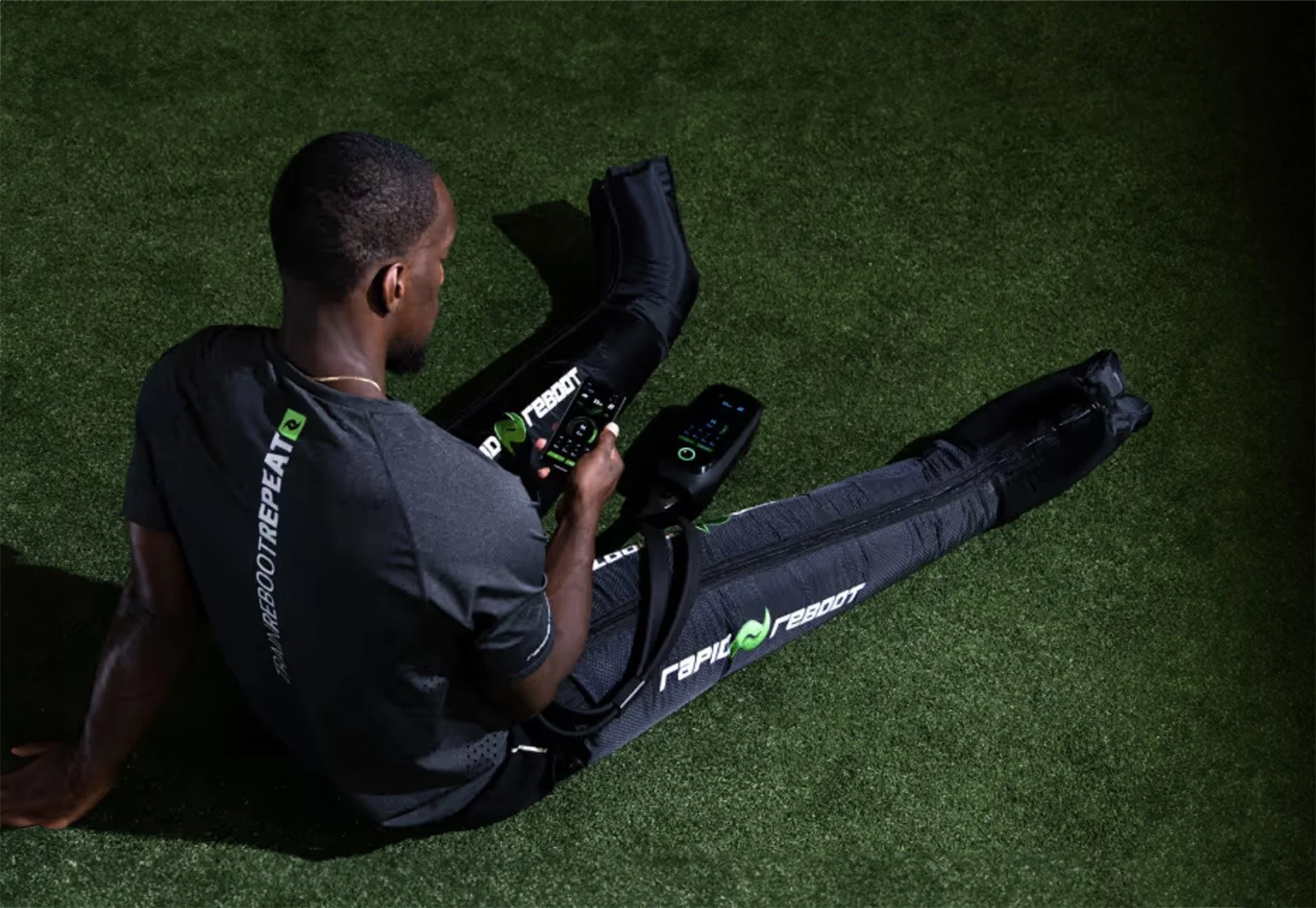
Rapid Reboot Compression
The cheapest way to have something on the floor on day one. Self-service, portable, and it tells you whether your market pays for recovery at all.
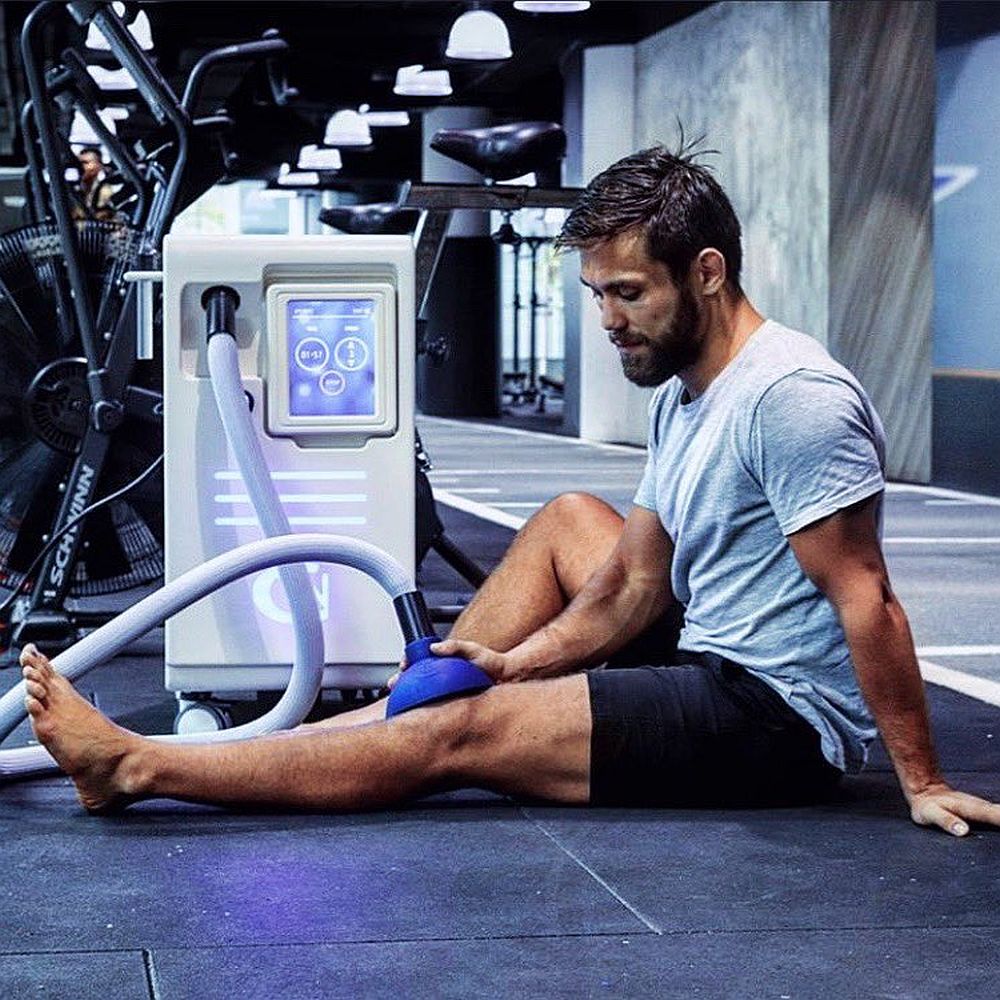
XCryo Localized Cryo
Gas-free, roughly three-minute treatments, no nitrogen infrastructure. A real cryo service without the cost or the room a full cabin demands.
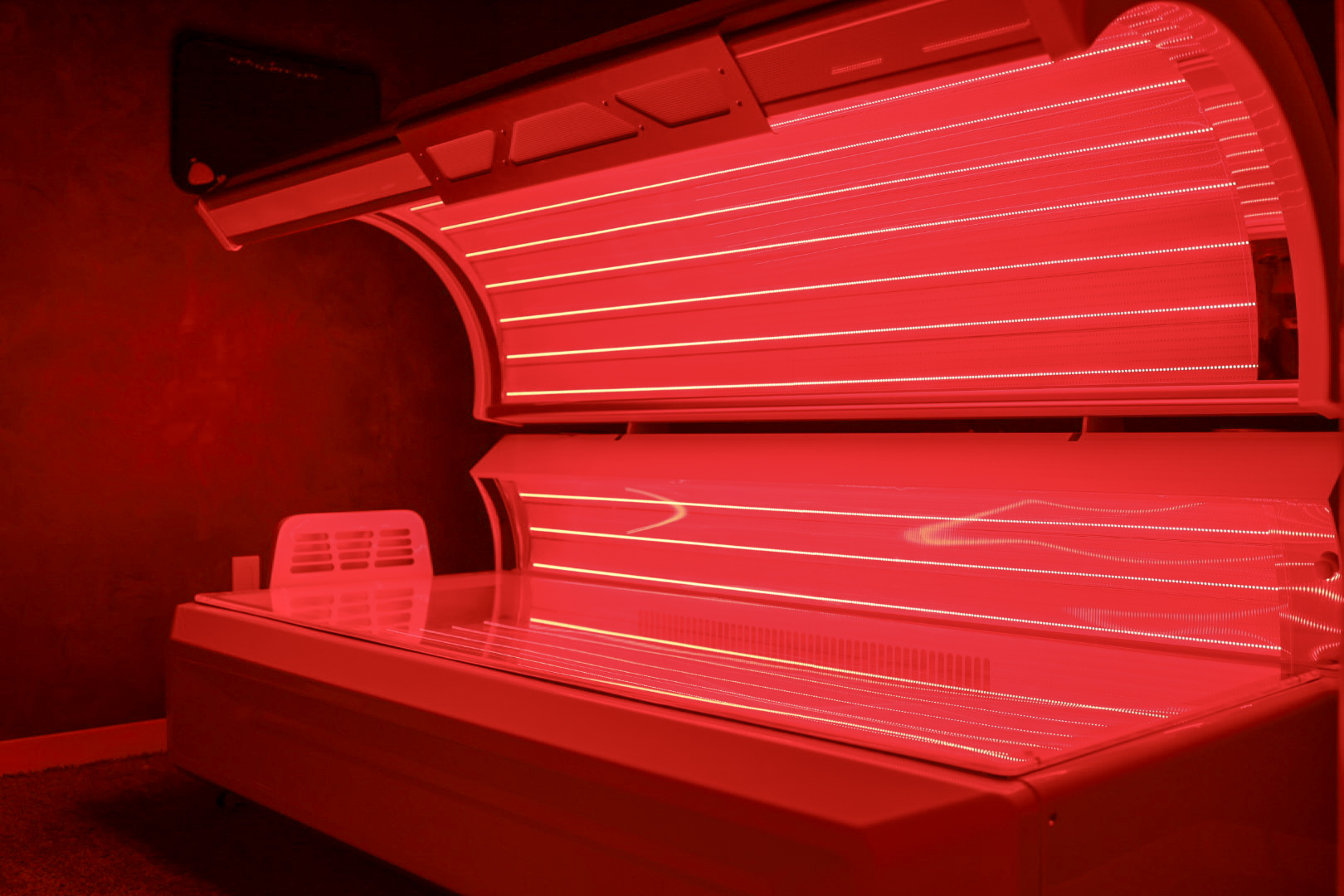
AuraPBM Red Light Bed
Red light is the modality new customers most often already know they want, which makes it easier to market a brand nobody has heard of yet.
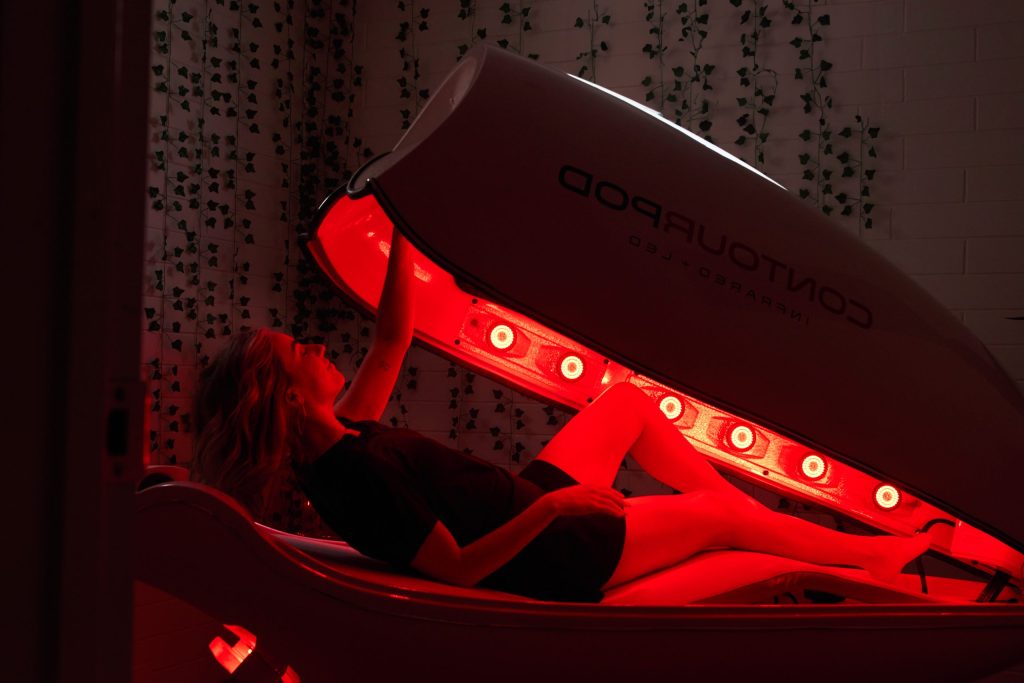
ContourPod™ Elite
Three modalities in one footprint — infrared, red light and lymphatic massage — which is efficient when you have one room and need a menu.
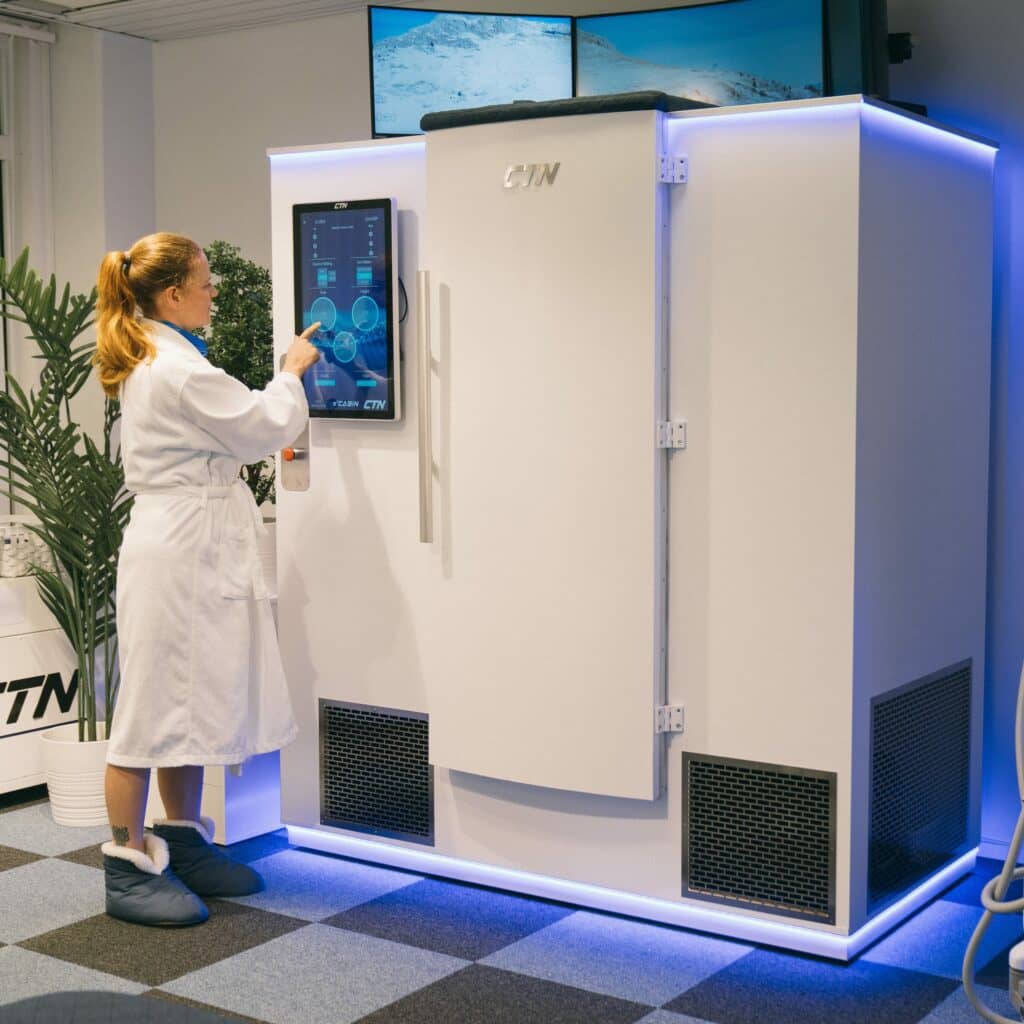
ECabin Cryotherapy
A destination machine, and the largest single line in most builds. Rough in the electrical now; buy it once customers are asking for it by name.
HyperPod HBOT
The premium-tier justification once you have a membership base. Needs its own room plus a separate control unit and A/C module — plan the space now.
Financing the whole build
You can put a complete, real equipment number in front of a lender before you sign anything, because nothing here is hidden behind a quote.
- Approve for large purchases — the path for financing a full multi-machine build.
- Affirm, Klarna and Afterpay at checkout through Stripe for the lower-ticket pieces.
- Every price is listed. No 'call for pricing,' so your pro forma can be built tonight.
- New equipment: standard 6-8 week drop-ship lead time. Refurbished and open-box: local, in stock, ships in days.
- Rough in electrical for machines you plan to add later. It is the cheapest decision in the whole build.
Straight answers
What is the single first machine to buy?
Whichever one is the reason a customer picks you over the place down the road. That is a market question, not an equipment question — which is exactly why we want to hear about your market before recommending anything.
Should I buy refurbished for a new location?
Often yes, for a piece of the build. Refurbished units are local, in stock and ship in days, which is how you protect an opening date when something else in the buildout slips.
Can you help me plan the floor?
That is the part we are genuinely useful for. We have built and run two of these ourselves in North Dallas. Come tour one and see what we would do differently if we were starting again.
How long from order to open?
New equipment runs a standard 6-8 week lead time drop-shipped. Your buildout, electrical and inspections are on top of that and are usually the longer pole.
Bring us the lease and the budget
Tell us the market, the space and the number. We have opened two of these ourselves — we will tell you what to buy first, what to rough in, and what to leave alone until year two.
Transparent equipment pricing. Financing options available.
Shop equipmentTurn Your Wellness Business Into An $85K/Month Revenue Machine
We provide the elite equipment stacks, scaling strategy, and on-site support to help you dominate your market without the guesswork.
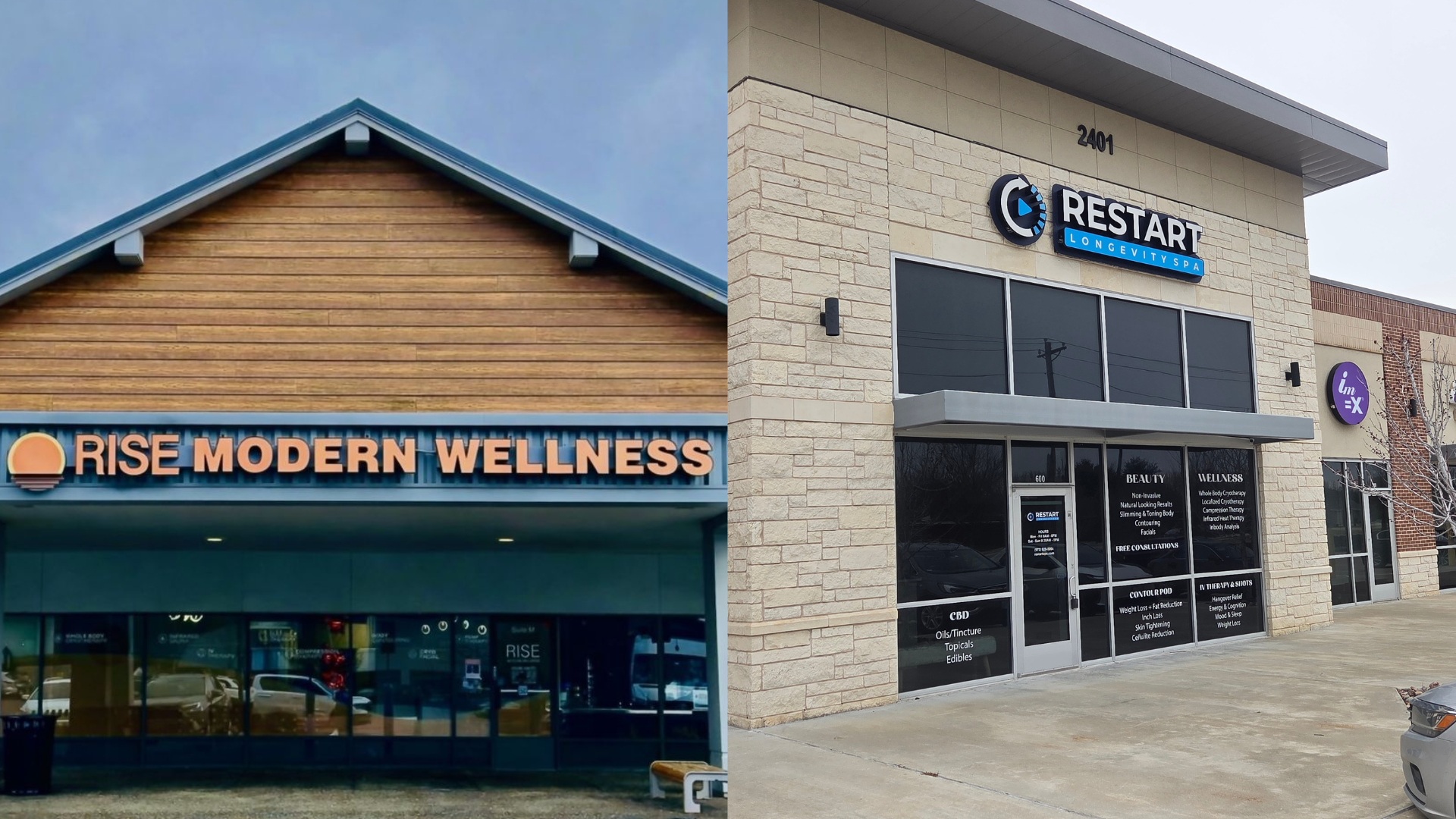
Restart Longevity Spa & Rise Modern Wellness
“This wasn’t just another device—it was the right stack with the right strategy. It streamlined our services, increased spend per client, and fast-tracked our growth.”
What type of stack are you building?
Select the equipment categories you’re interested in adding, upgrading, or packaging into your business.
Where do you need the most support?
CORE is not just equipment. We help with launch strategy, pricing, training, marketing, and performance.
Request your CORE growth blueprint
Tell us where you are now. Our team will follow up with recommendations for equipment, stack strategy, and next steps.
Most Equipment Fails for One Reason
Buying equipment is easy. Building a profitable system around it is not.
Bought the wrong device
No demand. No market validation.
No system to sell it
No offer. No process. No revenue.
Staff doesn’t know how
Poor positioning. Lost sales.
No stack strategy
Low ticket. Slow ROI.
We’re building this with you
Trusted by early partners shaping the future of wellness equipment
Core is a growing operator-led brand focused on practical, profitable equipment stacks — built alongside the teams who actually use them.
Small on purpose. Hands-on support from operators, not just sales reps.






Equipment Built for Revenue